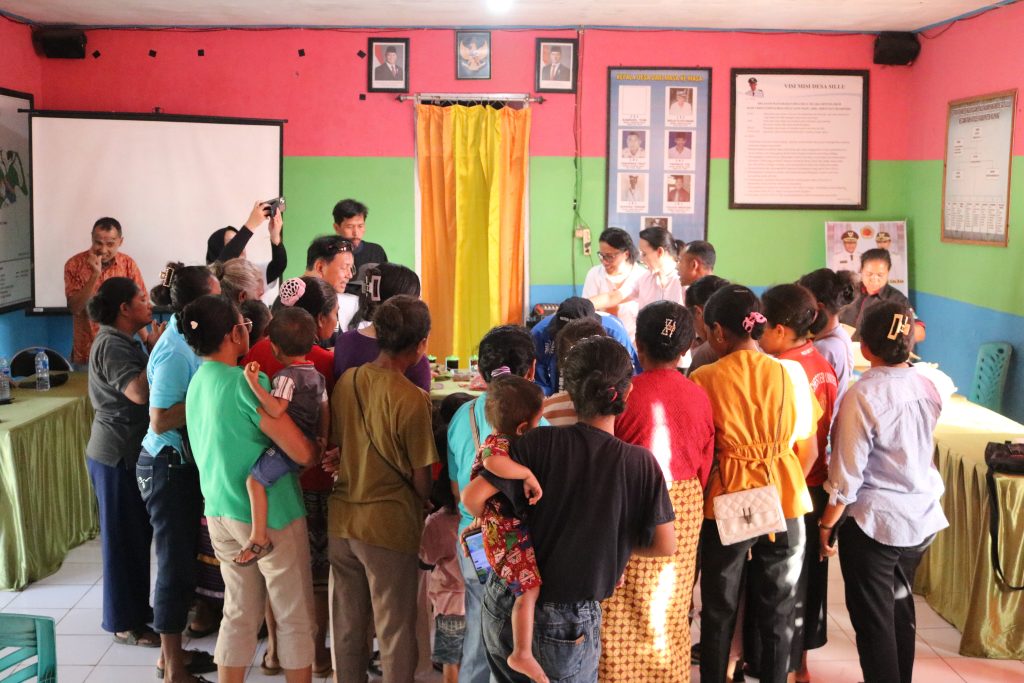
Rumah Sustain Able (RSA), in collaboration with the State Polytechnic of Agriculture Kupang (Poltani) and a Japanese team, has initiated a joint effort to establish a Mini Furikake Industry as a model for nutritional empowerment and local economic strengthening in East Nusa Tenggara. This project not only represents an international partnership in the fields of agriculture and food innovation but also serves as a concrete step toward achieving the Sustainable Development Goals (SDGs) specifically Goal 2 (Zero Hunger), Goal 3 (Good Health and Well-being), and Goal 8 (Decent Work and Economic Growth).
The project began with an initial field survey conducted by the RSA and Poltani teams at two primary sites: the Poltani Campus in Kupang and Sillu Village. The Poltani campus is envisioned as the development hub for the mini furikake industry a small-scale facility that will process local agricultural products such as seaweed, fish, and vegetables into nutritious food products inspired by Japanese flavors. This facility will also serve as a living laboratory for sustainable food technology and a training center for students and local communities.
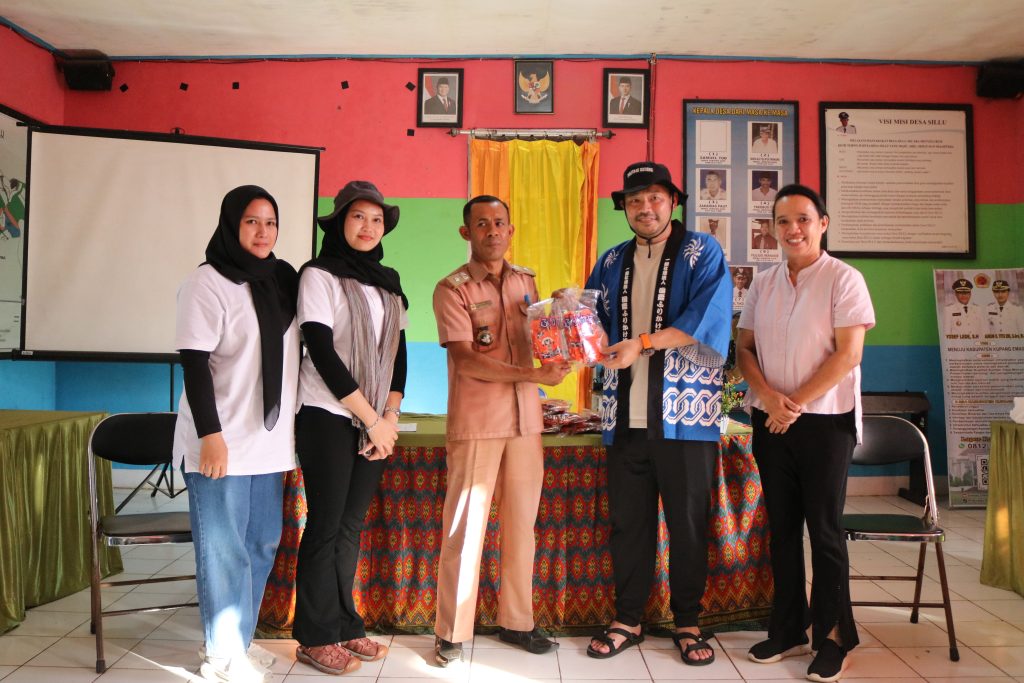
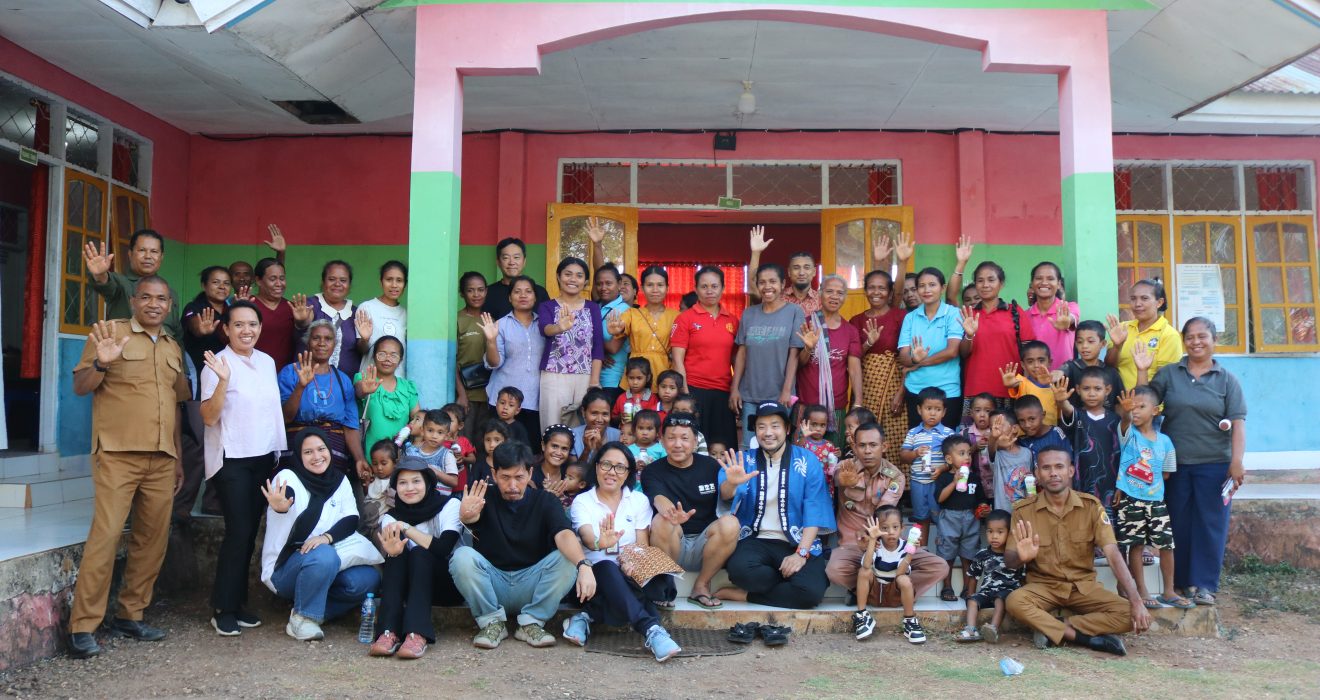
Meanwhile, Sillu Village, particularly Hamlet 2, has been designated as the research site for community-based nutrition programs. Within this framework, children from two posyandu (community health posts) in Sillu Village have been identified as key participants who will receive furikake products as part of a study on improving nutritional status and household food security. The program involves experts from Poltani, RSA, and Japan working collaboratively to measure the impact of furikake consumption on child development and healthy eating habits in rural communities.
This initiative goes beyond producing food products; it emphasizes knowledge and technology transfer from Japan to local institutions. Students and lecturers from Poltani are actively involved in every stage of the project from formulation and production to social and economic impact analysis. As a result, the mini industry is expected to become a center for applied research and a tangible example of how education, technological innovation, and community empowerment can progress hand in hand.
The initiative also aligns with RSA’s broader commitment to building a sustainable ecosystem through socio-agro innovation. Through the synergy between RSA, Poltani, and their Japanese partners, Kupang is envisioned to become a model of nutrition and food-secure villages that can be replicated across other regions in Indonesia.
Ultimately, this initiative reaffirms that sustainable development does not solely emerge from macro-level policies but also from relationships nurtured at the community level from campus laboratories to village health posts. Through a simple yet meaningful innovation like furikake, RSA and its partners aim to demonstrate that small steps can serve as powerful bridges toward a healthier, more prosperous, and sustainable future for the people of Kupang.